
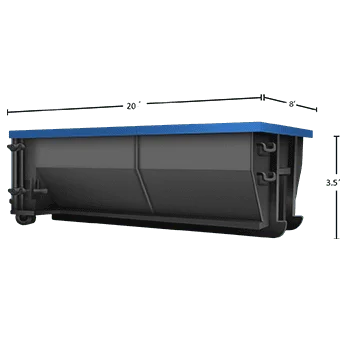
Receiving the empty container
A roll-off arrangement places a removable container at the location agreed for loading. The site contact should know the proposed equipment and position. Give the provider the receiving details and known ground or space constraints so actual requirements can be confirmed.
Think about the area needed to use the container as well as the place it occupies. The loading arrangement and removal access must remain workable. Ask for the offered configuration rather than taking a photograph as a dimensioned specification.
Using the loading area
Follow the accepted-material and load instructions in the agreement. Keep different or uncertain items aside until acceptance is clarified. A load that fits visibly inside the container can still be affected by weight or material limits.
Maintain the agreed approach and loading space. If work changes the area or the container needs to be repositioned, discuss it with the provider. Moving a container or blocking access can change the arrangement needed for removal.
Handing over the loaded container
Explain when loading is expected to finish and confirm how collection is requested. If debris production continues, ask about an exchange or another agreed service rather than assuming removal includes a replacement. Keep the material description current if the job changes.
Use the Dumpster call action or Get a Quote with the Bryan destination, loading use and materials. Compare the actual equipment and removal scope. The general dumpster page covers material and container-selection questions; this page supports the physical receiving and loading arrangement.
Questions before you book
What space should be discussed besides the container footprint?
Discuss usable loading space and the access needed to receive and remove the actual proposed equipment.
What if loading is not finished when expected?
Contact the provider and confirm a revised period or collection arrangement under the agreed terms.